
Here’s to the unfinished
Books I am reading… and will be for some time.

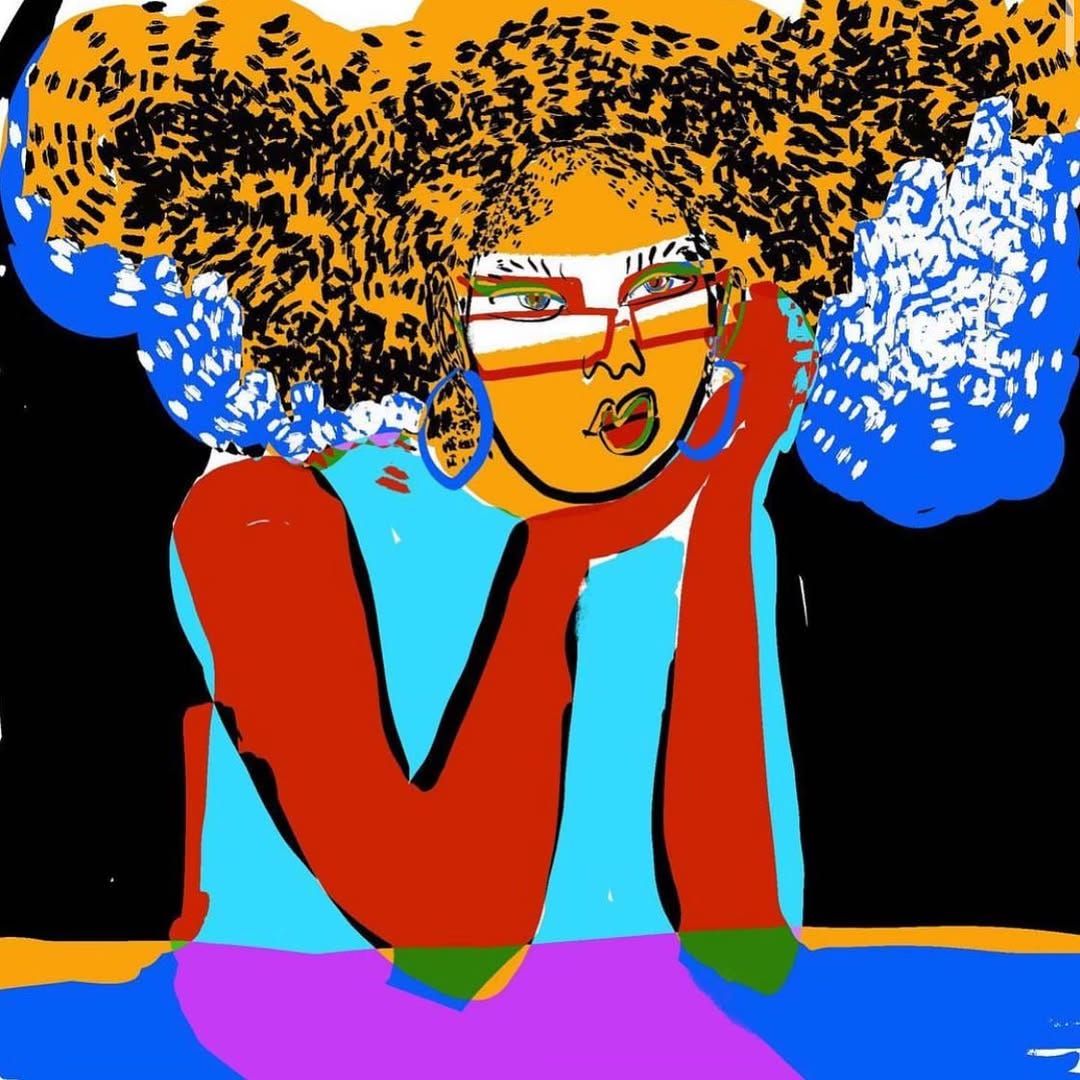
A couple of years ago, I abandoned reading targets, a practice that had quietly turned my love of books into yet another exercise in productivity and performance. I found myself envious of those who seemed to have unlimited time and energy to hole up in a reading nook and immerse themselves in fantastical worlds for hours on end. I justified my seeming inability to measure up with quip remarks about quality over quantity, having other interests and hobbies, or simply a life to live. But really, I was frustrated. I wanted to read more. I want to read more. But sometimes, when my mood dips and the skies grey, I find I cannot distinguish one line from the next. The joy of reading is swallowed up by the work of reading. I am also learning to navigate a chronic illness of an episodic and unpredictable nature. Sometimes fatigue wipes me out, and all I can manage after a day in service of capitalism is a crappy serial drama or a stream of 30-second TikToks.
Reading, now, is an activity that I savour. When I wake to find no pain in my body nor smog in my head, I dare to open the pages of one of the books that have been waiting patiently by my bedside. It feels wrong, somehow, to write about books that hold pages I have still yet to discover. I value completeness and wholeness. I am driven by achievement and perfection - that which is always just out of reach - and I feel shame where there is lack. I am trying to change that. There is (I am told) magic in the process. There is meaning in the incomplete.
There are four books on my bedside table right now.1 All written by Black British women. All women whose lives have crossed mine in some way. I don’t think that’s a coincidence. I’m trying not to race through their pages for the sake of accomplishing an imaginary milestone. I want to dip in and out of them as I feel led. I want to read with my body, its possibilities and limitations, rather than in spite of it. So, what follows are my thoughts on my current reads: unformed, unfinished, and incomplete.
When We Ruled - Paula Akpan
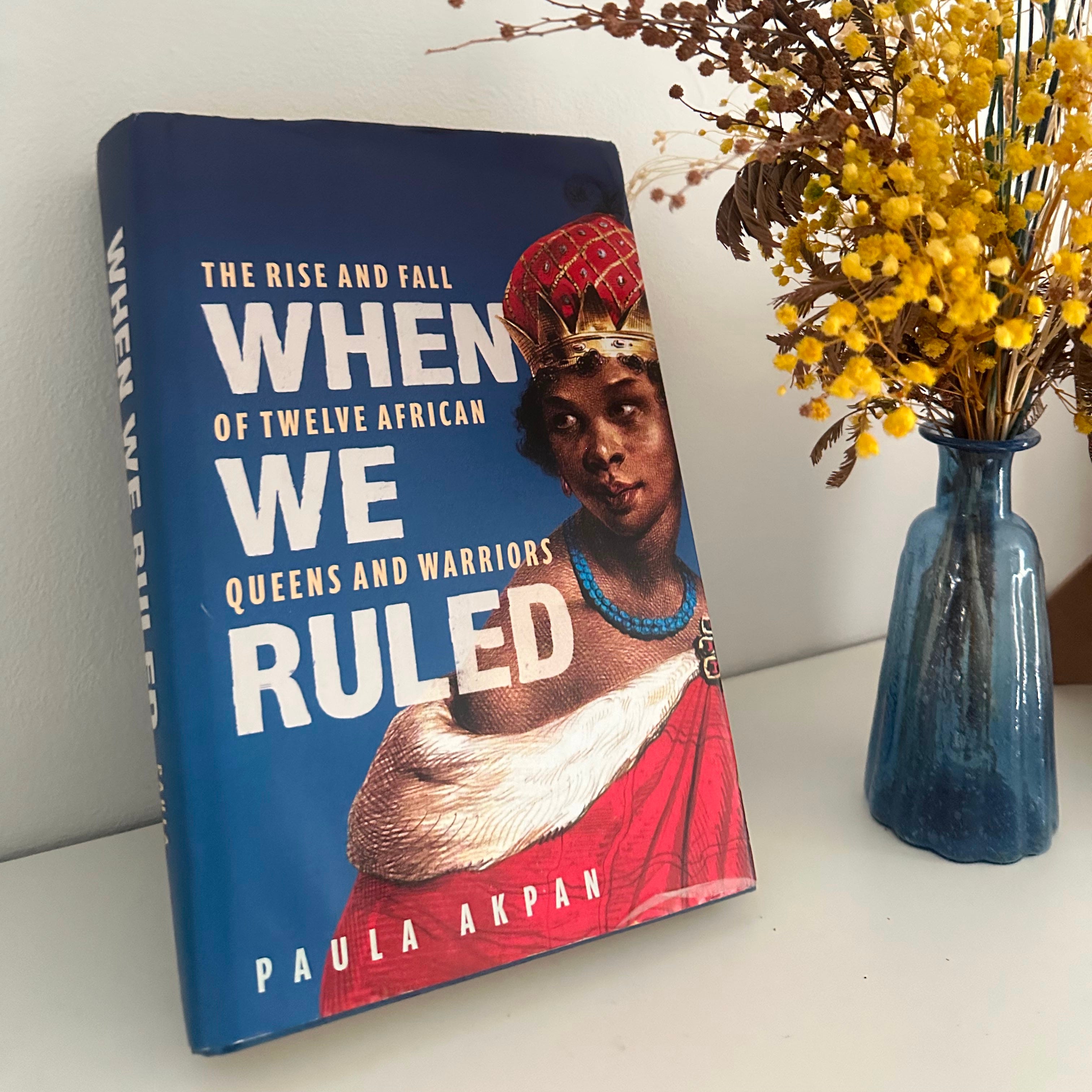
I’ve had the joy of knowing Paula since we were teenagers, and she is a powerhouse in every sense of the word. When We Ruled (Trapeze, 2025) journeys through the lives of twelve African queens and warriors, and each chapter works as a standalone, which means I’ve been moving through these stories at my own pace. The book is incredibly well-researched, and I walk away from each chapter with immense new knowledge.
Paula refuses to impose binaries - even when doing so would have made her job a lot easier. Good and bad. Male and female. Fiction and non-fiction. Fact and speculation. Past and present. Take Njinga a Mbande, who ruled in what is now northern Angola. Paula holds the full complexity of Njinga’s story: their heroism alongside the expansion of the slave trade under their rule, their embrace of colonial religion: both conviction and self-interest. I love the intertwining of past and present that runs through each chapter - Paula’s research trips crossing the paths of the lives she traces. She tugs at the threads between historical happenings and modern fault lines… her chapter on Məntəwwab and commentary on the Tigrayan genocide stands out for this.
Like Paula herself, this book is unapologetically queer, unapologetically African. A true labour of love, and I’m giving it all the attention it deserves.
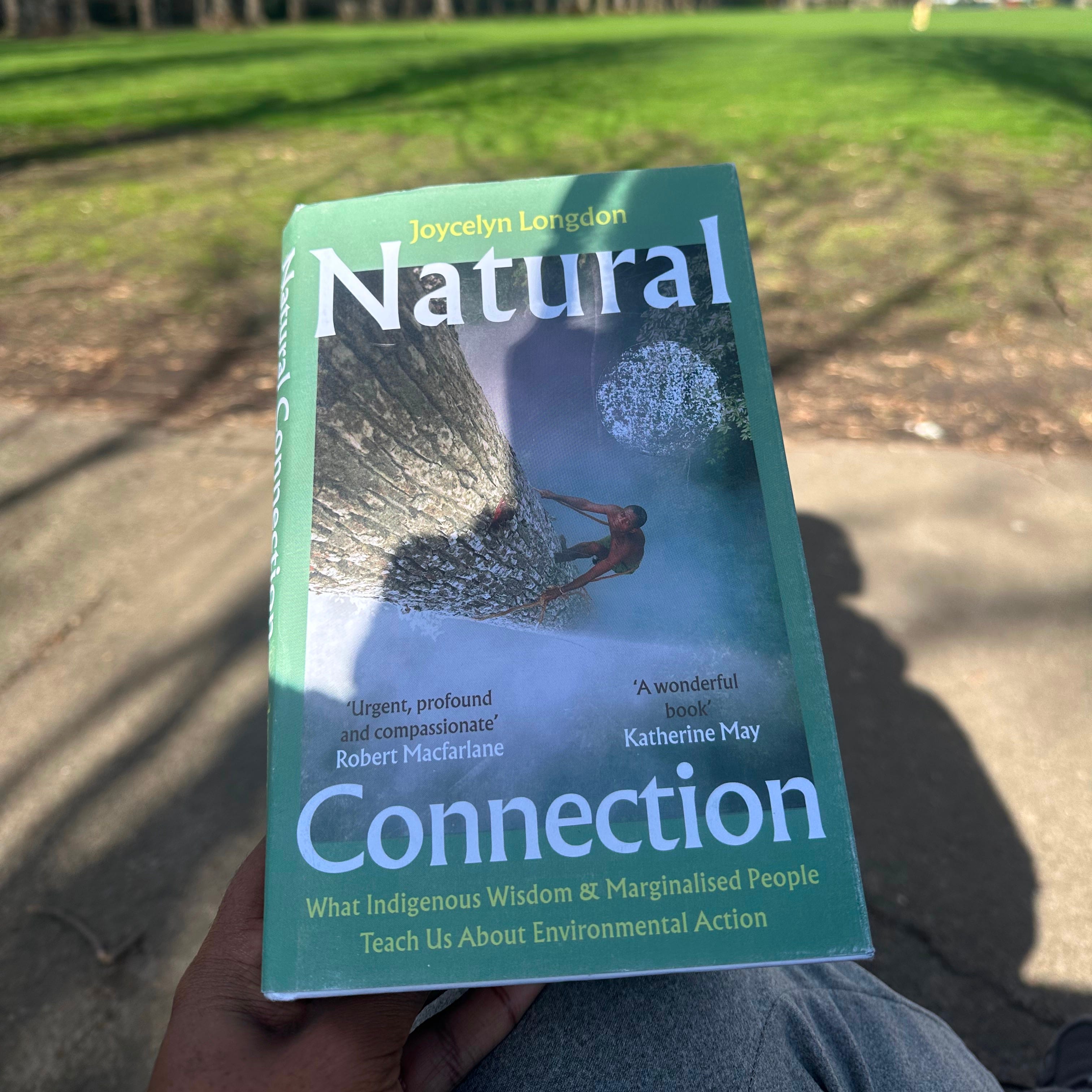
Natural Connection - Joycelyn Longdon
I first met Joycelyn in 2018 when she volunteered to help market The Colour of Madness - showing up for a book with two first-time editors, no budget, and no guarantee it would go anywhere. Her work helped get the anthology into libraries, festivals, the hands of journalists and readers, and eventually played a part in it being picked up by Bluebird (Pan Macmillan) for a revised edition in 2022. I’ve never forgotten that.
In the years since, I’ve come to credit Joycelyn and her work with Climate in Colour for much of my own education on environmentalism and for helping me hold onto a sliver of hope amid the ongoing environmental crisis. When I heard she was writing a book, reading it was a no-brainer.
Natural Connection (Square Peg, 2025) examines what indigenous wisdom and marginalised communities teach us about environmental action, structured around six pillars: RAGE, IMAGINATION, INNOVATION, THEORY, HEALING, and CARE. Confession: I’ve been reading it non-linearly - jumping straight to HEALING and CARE because of how central those themes are to my own work. Her writing is deeply researched and beautifully weaves the personal with the structural. She imbues the stark reality of the work at hand with wonder at the majesty of the living world and genuine hope for the future: something we could all do with a little more of.
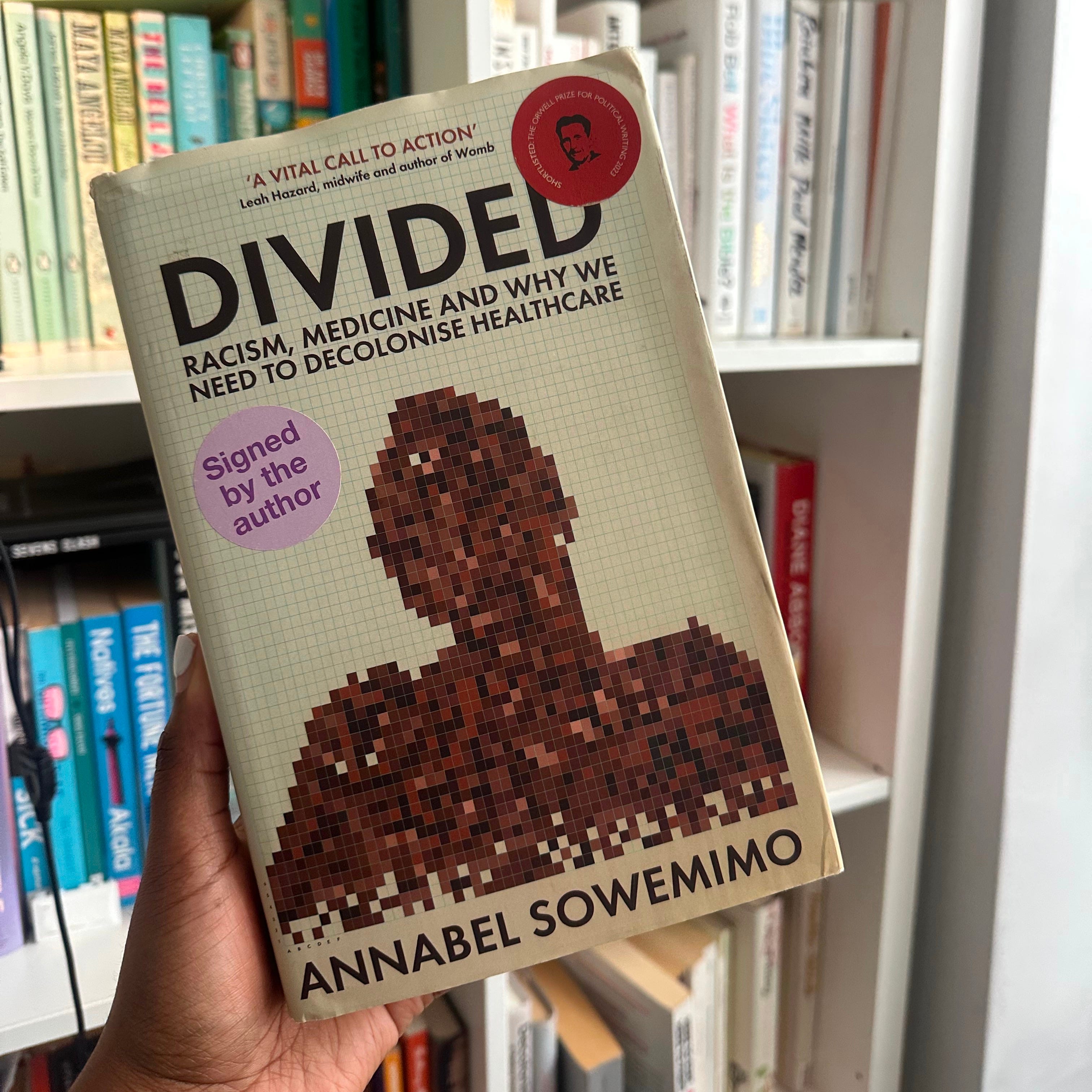
Divided - Annabel Sowemimo
I first encountered Annabel’s work when I attended a Decolonising Contraception event as a medical student, sitting in a room of mostly Black and Brown women, struck by how necessary that space was. Her organisation, now called the Reproductive Justice Initiative, launched in 2018 and spearheaded a conversation that was long overdue about colonialism and sexual and reproductive health.
Annabel is now a Consultant in Sexual and Reproductive Health, a PhD student, and a new mum, and I am genuinely in awe that she still finds time to educate and empower people to make informed choices about their bodies. I have followed her journey online for years and continue to learn so much from her. I even had the chance to interview her for a piece I wrote about Black maternal mortality for the BMJ, and I remain grateful for the generosity with which she shares her experiences and insights.
Divided (Wellcome Collection, 2023) draws on her experience as a doctor, academic, and activist to lay bare the colonial roots of modern medicine and the racial biases that still shape healthcare today. It’s a lot to sit with at times (especially when the stories hit a bit close to home) but it’s so so necessary. This isn’t just an academic endeavour. Racism hasn’t gone anywhere. Eugenics has found new life. Sadly, this book is more timely than ever.
A Woman Like Me - Diane Abbott
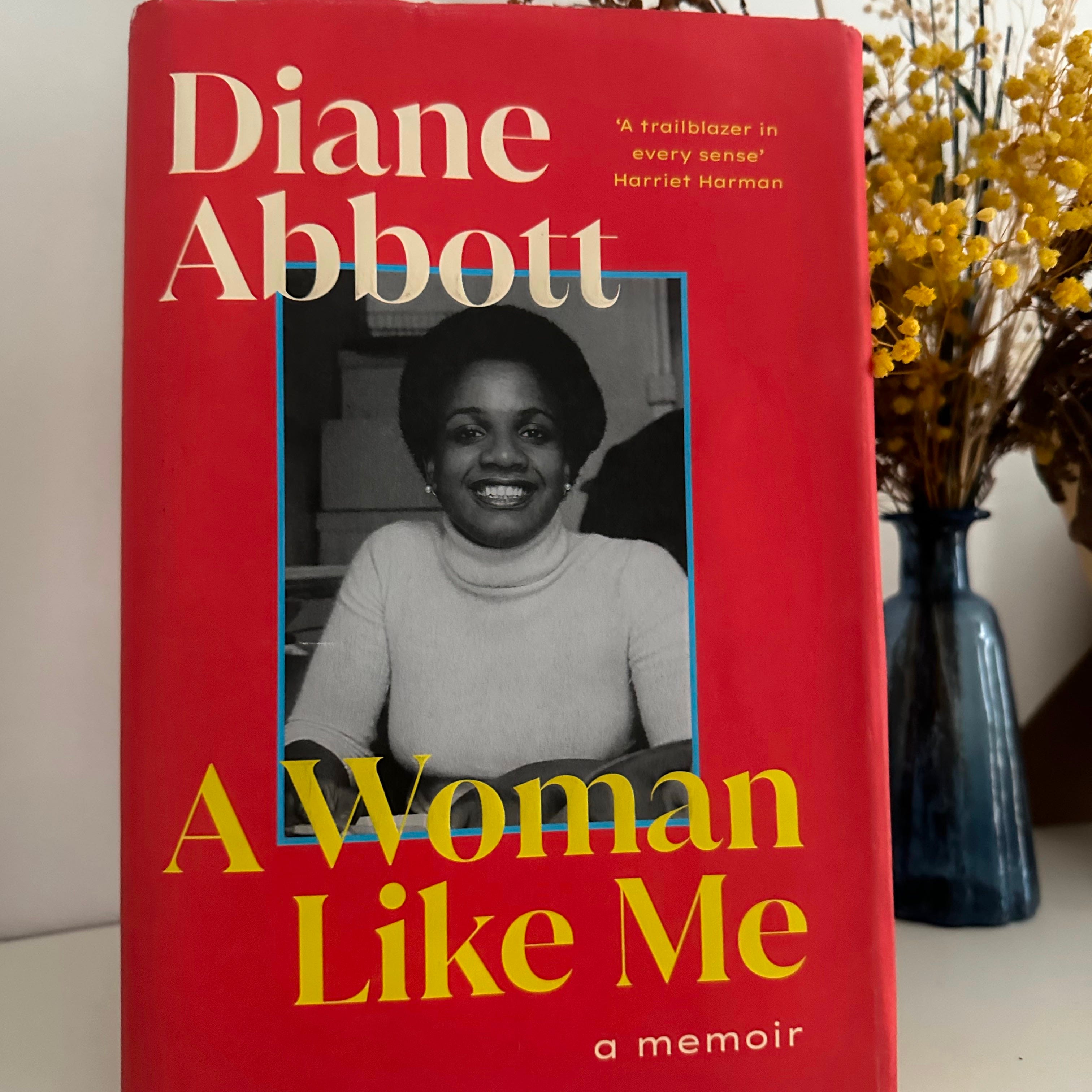
The first time I met Diane Abbott, it was during one of the many interviews she gave for her authorised biography, which I co-wrote with Robin Bunce. I remember being struck by how small and unassuming she seemed. Had her face not been etched into my memory as the trailblazer she is, there would be little to distinguish her from the many aunties and elders I’ve encountered throughout my life. But the moment she opened her mouth and her stories began to unfurl, it became immediately clear why she is no ordinary woman. Why, the three decades after becoming the first Black woman MP, she continues to be a resounding, unflinching voice in the halls of power and a steadfast anchor in her community.
When I heard she was writing a memoir, I was overjoyed. I’ve loved revisiting chapters of Diane’s life from her own perspective, watching her embrace the vulnerability that comes with sharing your innermost moments with the world on your own terms. A Woman Like Me (Penguin Books, 2025) is a canonical part of Black British history - her warmth, intelligence, and humour on every page.
This post contains affiliate links. That means if you click a link and make a purchase, I may earn a small commission at no extra cost to you. I only ever link to things I genuinely recommend.